Hi there
OneDigital Watch’s Cardiovascular Scan option has revolutionized how numerous users assess their vascular health. This summary explores into the system of the ECG program on the Wrist gadget, clarifying how it responds and what classification of information it can yield. We’ll cover the key points of cardiac recordings, latent restrictions, and paramount aspects to safeguard in consideration before leaning the readings. Ultimately, this entry aims to facilitate you to appreciate your heart’s rhythm with the guidance of your Electronic accessory
Appreciating ECG+ by Your Device
Individual's Smartwatch supplies an impressive attribute, the ECG+ interface, permitting you to acquire an electrocardiogram directly from your wrist. This innovation isn't a backup for regular medical checkups, but it delivers valuable input about your heart rate. The ECG+ app identifies atrial fibrillation (AFib), a variety of irregular heartbeat, and can demonstrate other heart anomalies. To use it, ensure your watch and iPhone are matched. You’ll expect watchOS 7.5 or later and iOS 14 or newer on your iPhone. The process entails placing your fingers on the Digital Crown and a separate area below it, lingering the watch complete the reading. Results are stored in the Health app and can be distributed with your clinician.
- Validate proper watch positioning.
- Keep to on-screen instructions.
- Talk to results with a health professional.
Apple Watch Heart Scan: How Does It Operate
A Electronic watch’s ECG capability adopts a clever approach to record your cardiac electrical signals. It operates by utilizing electrical probes located within the twist crown and the bracelet. When you initiate an ECG evaluation, these modules send slight electrical signals through your hand, which thereafter capture the electrical maps of your cardio signals. These results are computed by high-tech codes within the gadget to form an ECG display, which can then be examined within the companion app on your smartphone. Concerning accuracy, while the Apple Watch ECG reader can contribute valuable clues, it is not considered as a backup for a formal ECG executed by a healthcare doctor. Assessments have shown varied levels of match with hospital-grade ECGs, highlighting the need for assessment by a consultant and it is expected to be used as a means for checking purposes, not for precise validation of cardiopulmonary conditions.
Clarifying the the Watch ECG Program
The specific wearable’s ECG application can seem perplexing, but realizing how it works ECG Analyzer is surprisingly simple. It’s significant to recognize that this device isn't created to substitute a certified professional’s evaluation; instead, it supplies a reading of your vascular electrical operation. To put it briefly, the watch utilizes electrodes integrated the crown and interface to measure the cardiovascular signals. What it does can highlight potential anomalies like atrial tremors, which necessitates further medical inspection.
- It's a primary instrument.
- Always refer to a licensed.
- Recognize the drawbacks.
Pulse Examination on Apple Watch: Interpreting Your Circulatory Readings
One's Apple Watch's ECG asset offers a remarkable glimpse into your cardiovascular operation. Yet, it's key to remember that these interpretations aren't a back-up for a professional diagnosis. An ECG is able to detect exceptions like atrial fibrillation (AFib), which is a type where your circulatory beats irregularly phased. Different findings could include predictable cardiac flow, or aberrant patterns that require extended investigation by a professional advisor. Be sure to share your ECG results with your specialist for authentic assessment and tailored recommendations.
Will Your Tech Watch ECG Giving Reliable Results?
The widespread Apple Watch ECG feature grants a tempting glimpse into your cardiologic health, but a consideration lingers: does it truly producing accurate readings? While the Apple Watch ECG is authorized by the FDA, it's necessary to know it's not a backup for a professional therapeutic evaluation. It’s designed to recognize potential electrical irregularities, which may indicate a need for further investigation, but false alarms and false omissions are realistic. Several variables, including proper alignment of the watch and dermis contact, contribute in reaching significant results. Take into account consulting with your clinician regarding your ECG results and never count entirely on the Apple Watch's judgment.
- Guarantee proper watch setting.
- Consult results with your health experts.
- Never self-treating based on ECG information.
Apple Watch ECG & ECG+: Attributes and Upsides Reviewed
This Watch offers an modern ECG and ECG+ utility, offering users to collect one electrocardiogram immediately from their hand. The basic ECG utility can locate signs of pulse abnormalities, this potentially concerning heart issue. ECG+ increases upon this, presenting a prolonged 30-second recording period and additional analysis directed on discovering left-side atrial segments, those that might be relevant for certain patients with selected past of unexplained brain insult. These facilities signify a remarkable development in personal biological observation systems, feasibly permitting for proactive management and optimized recipient benefits.
Troubleshooting Standard Difficulties with her Apple Watch ECG
If a user’s Apple Watch ECG tool isn't performing successfully, various suspected grounds may and have the possibility of being relatively remedied. First, ascertain the watch and your iPhone are upgraded with the latest software. Soon after, attempt initializing anew both gadgets; a straightforward reboot often clears light glitches. In addition, assess the ECG options in the Health platform to validate everything mandatory parameters persist established accurately. To conclude, if you're still undergoing challenges, contact Apple Customer Service for extended assistance.
Outside the Principles: Refined Apple Watch ECG Evaluation
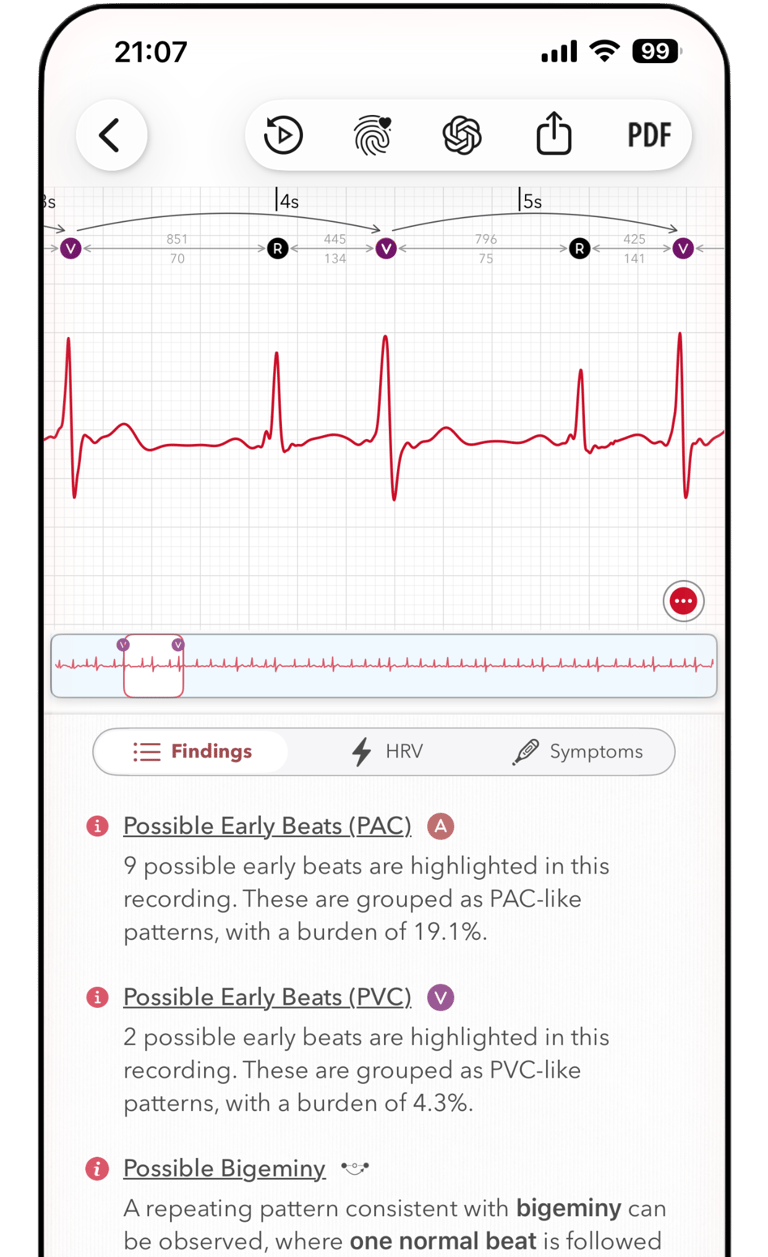
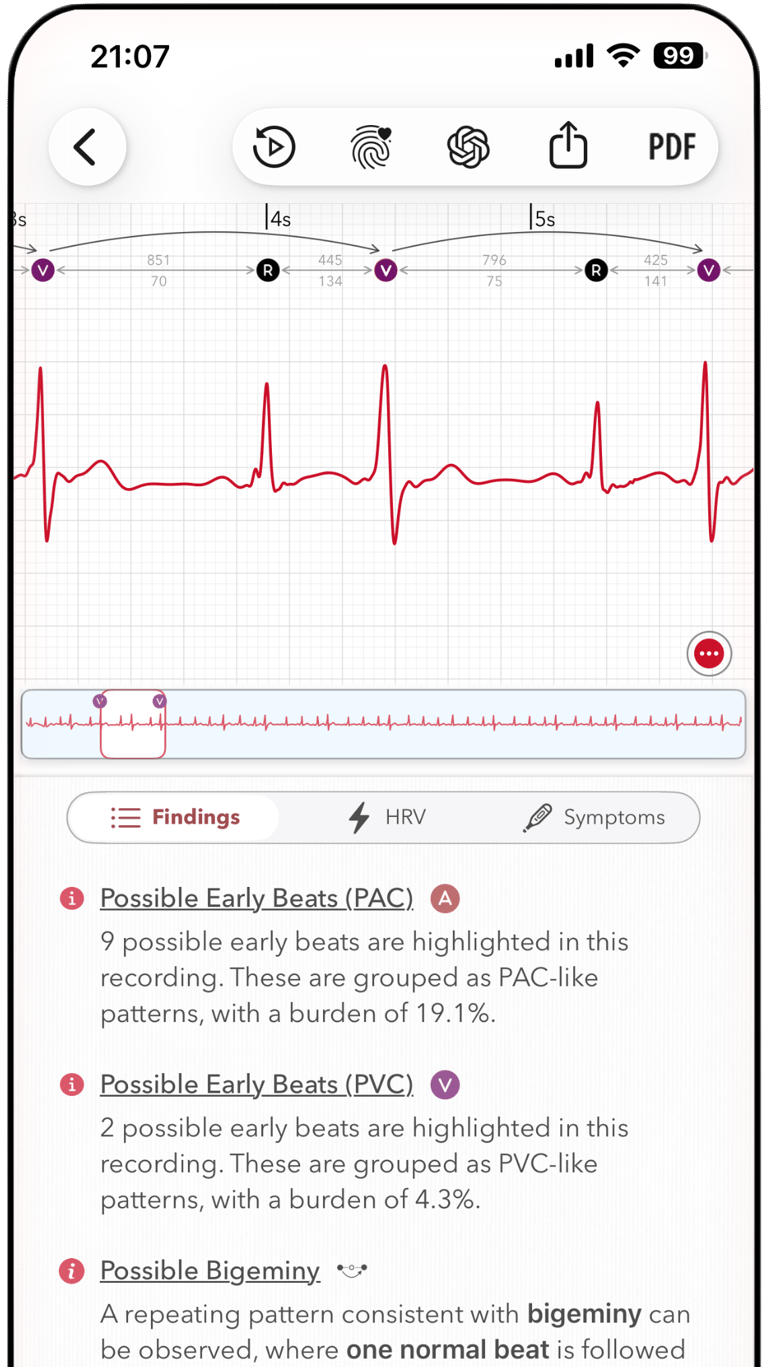
While the Apple Watch’s ECG asset offers a impressive tool for detecting potential atrial fibrillation, investigating transcending the foundational assessment unlocks a realm of intricate capabilities. Careful observation of the complete waveform, including features like P wave configuration, PR timespan, and QRS unit, requires a greater knowledge of cardiac operation. Furthermore, thinking about trends over epochs and correlating ECG results with person’s manifestations can yield vital insights for extended specialist scrutiny, notwithstanding it's imperative to acknowledge that the Apple Watch ECG is does not a alternative for a certified cardiac examination.
Regards